Financial Futures
DESIGN STRATEGY
Overview
Over the course of my career, I’ve been deeply invested in exploring design’s role in modeling financial futures. By leading diverse initiatives, I have tested and refined hypotheses around how various audiences imagine, engage with, and work toward their financial goals. Below are a few selected initiatives that highlight my contributions to this area:
Museum of American Finance
Partnering with the Museum of American Finance to expand their program offerings, I designed an interactive game to teach high school students budgeting skills. Using game design, I developed an interactive curriculum that connected financial concepts to student’s relatable experiences.


The Futures Arcade
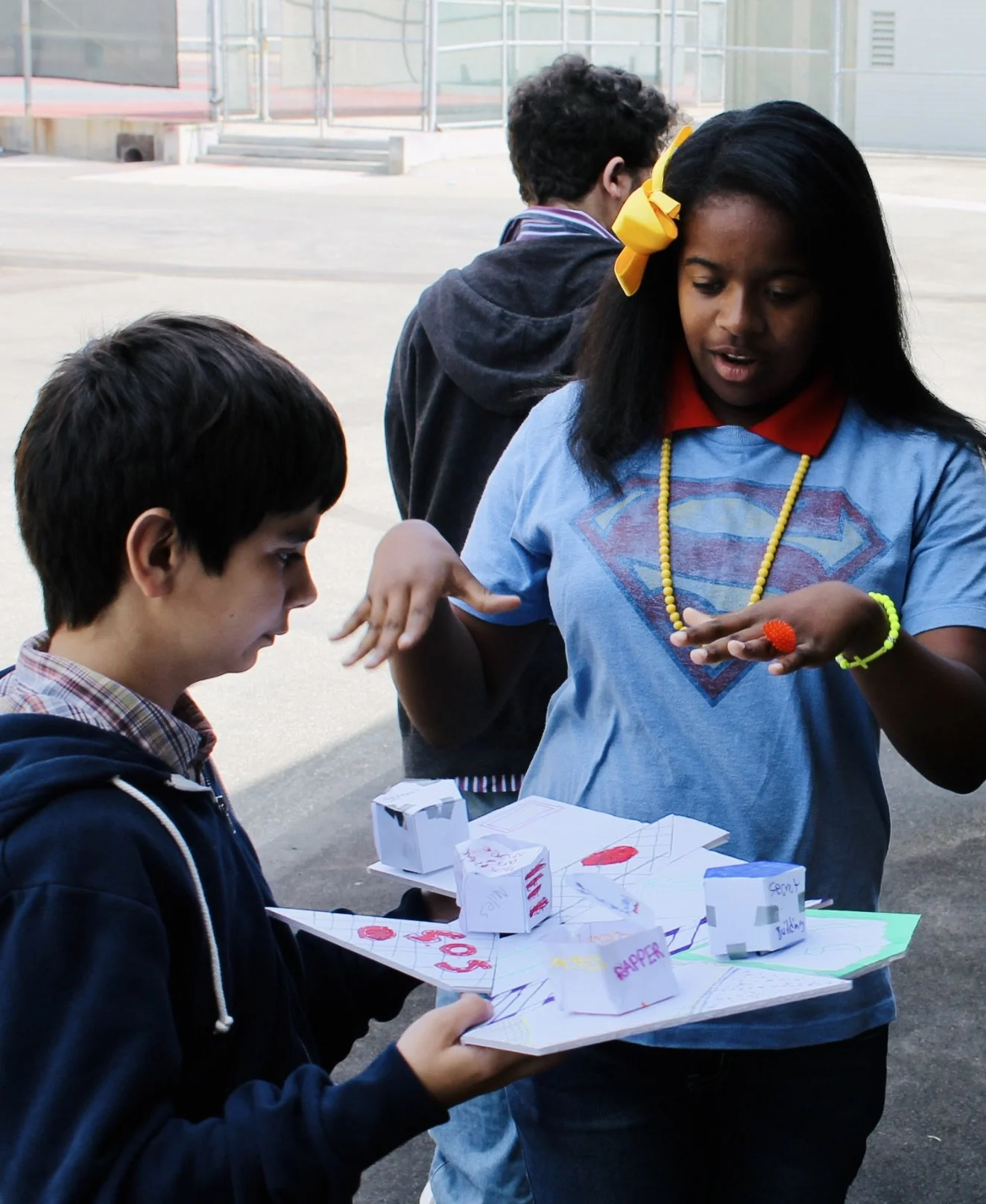
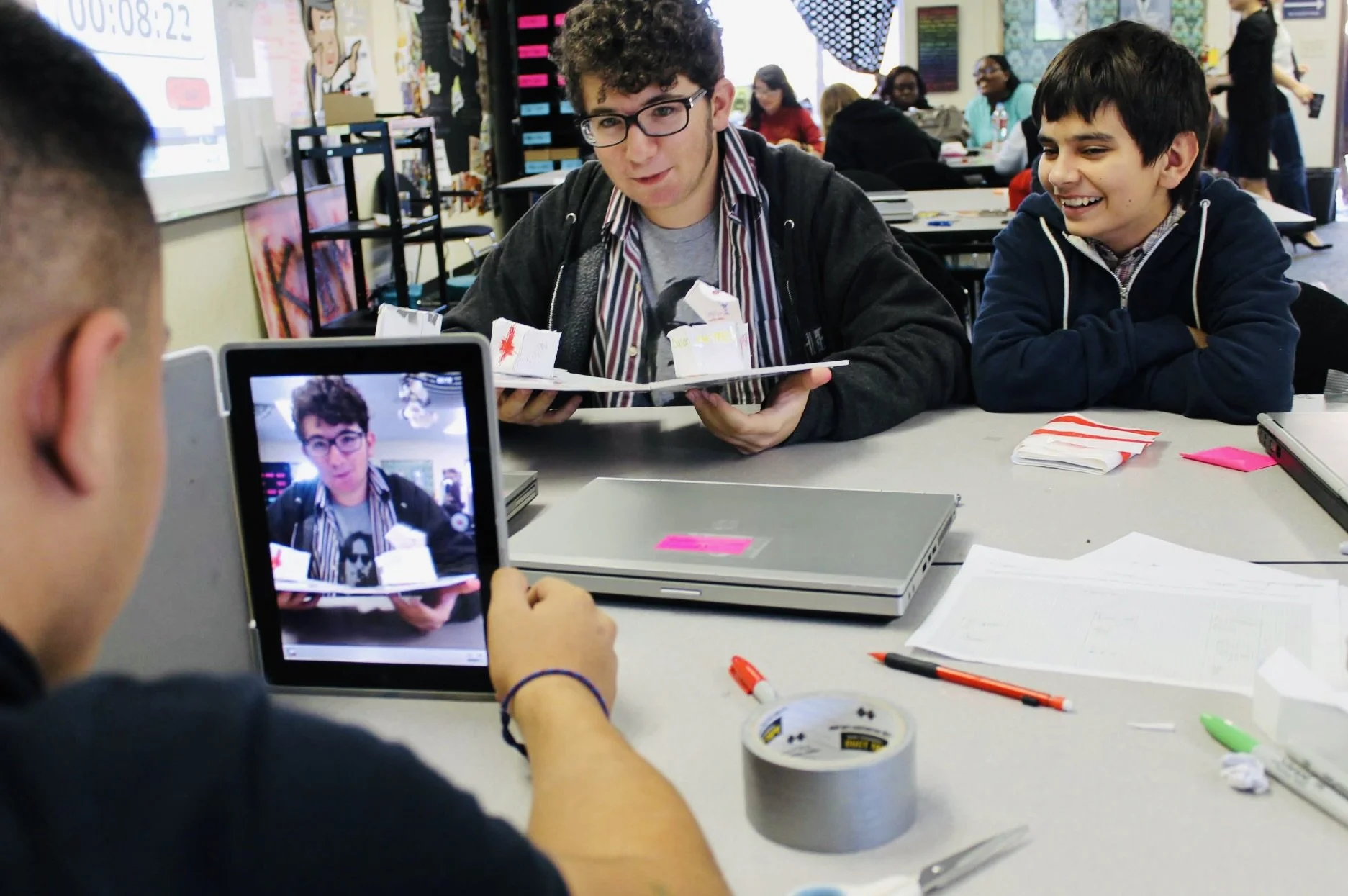
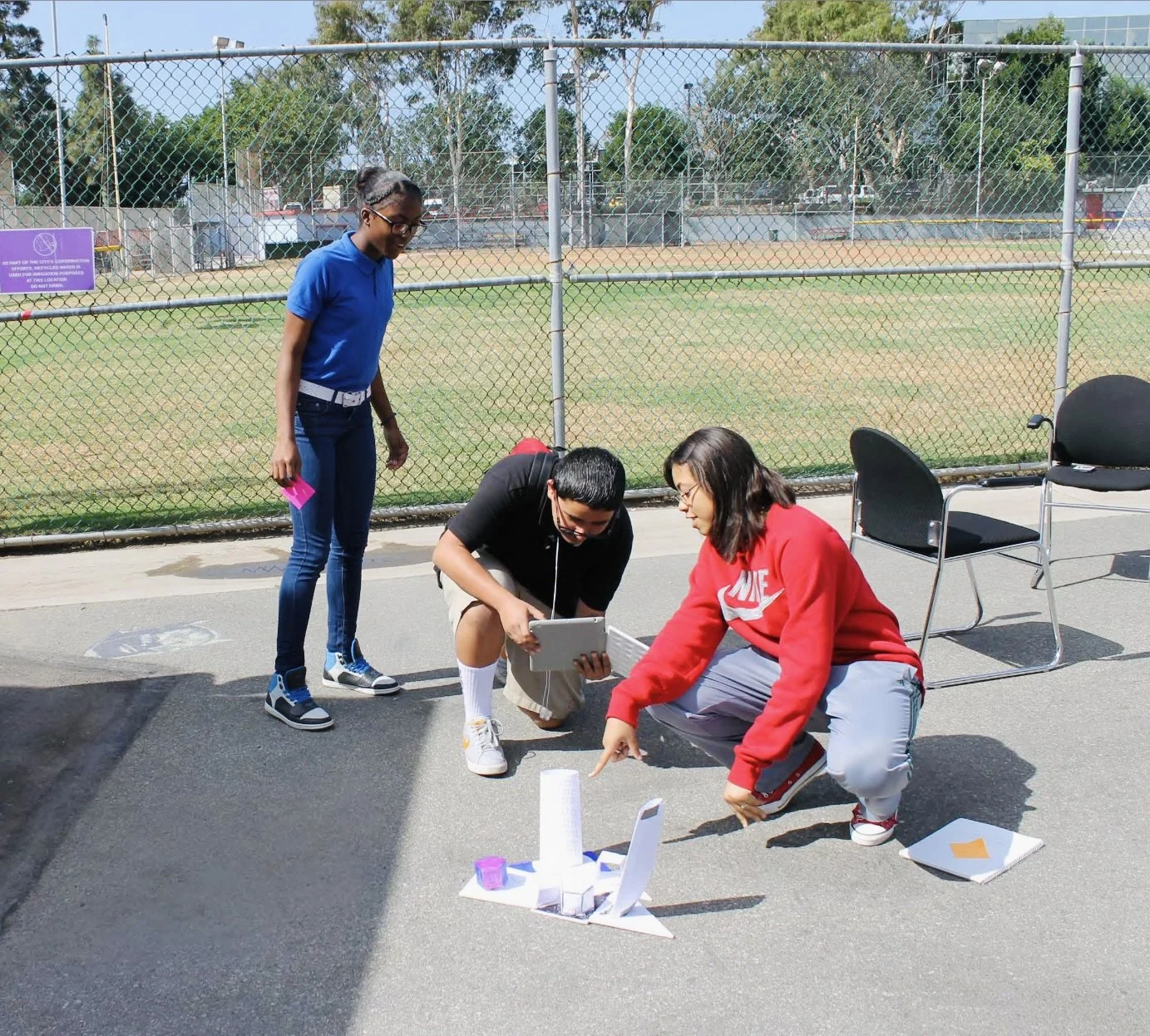
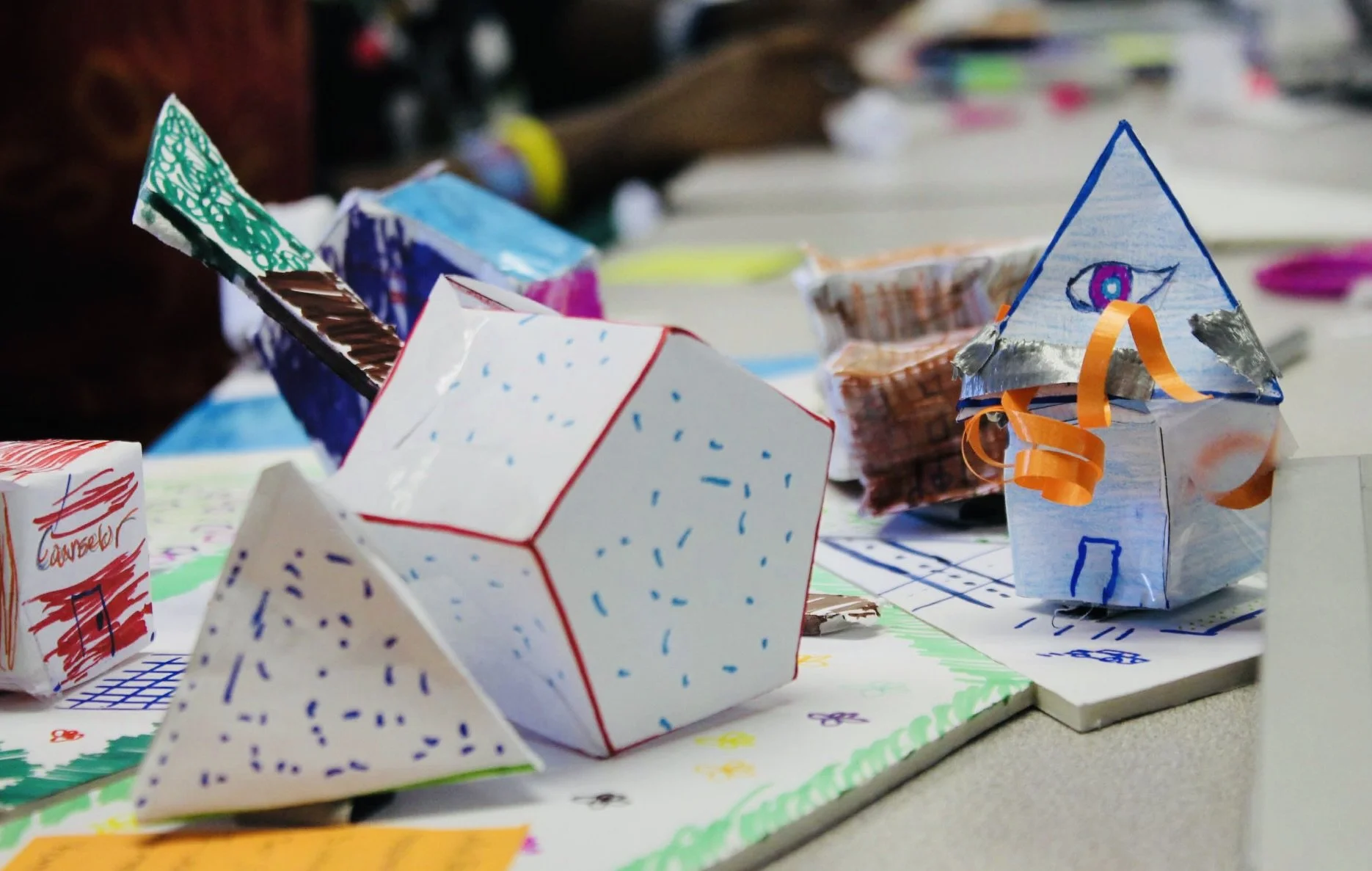
The Futures Arcade was an experimental, school-partnered initiative that combined speculative design, financial literacy, and future-focused learning. Working directly with educators and students, we helped design playful, gamified experiences that allowed students to prototype possible college and career paths—exploring how different educational, financial, and life decisions could shape their futures. By engaging with these scenarios in a risk-free environment, students built practical insight and agency around long-term planning, demonstrating how play is a powerful tool for imagining and evaluating real-world futures.

Net Worth Zero
Net Worth Zero uses storytelling to bridge financial concepts with lived experiences, showcasing the personal journey from overwhelming debt to financial resilience and success. By sharing my struggles and strategies, I aim to inspire others while highlighting systemic inequities. Through storytelling, this project challenges traditional measures of financial success and advocates for valuing financial health in more inclusive and meaningful ways.

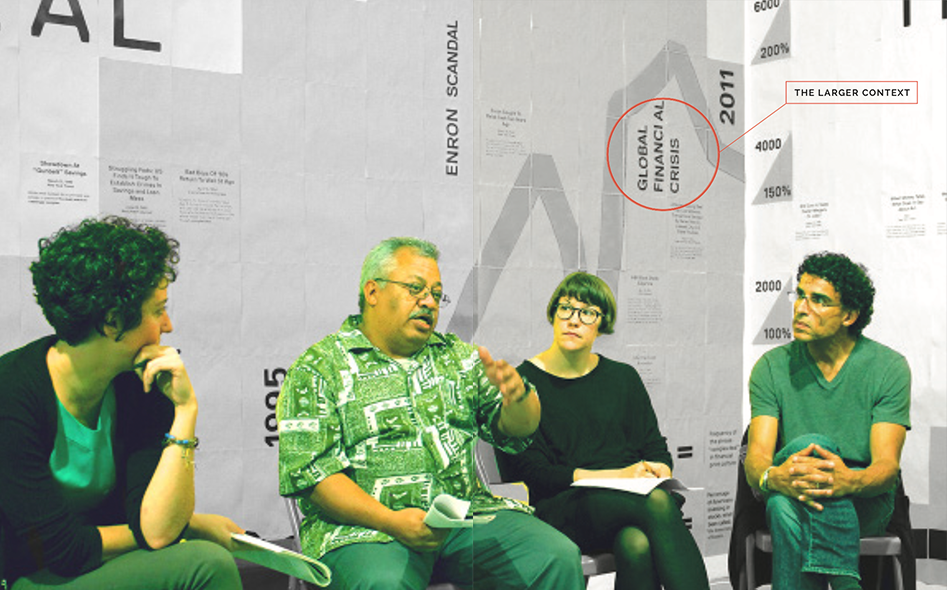
The Debt Collective, monthly meeting circa 2013.
Continued Impact
Each of these projects represents a distinct approach to understanding and shaping how people engage with their financial futures. Together, they highlight how design plays a critical role as a tool for continued education, advocacy, and innovation.